.webp)
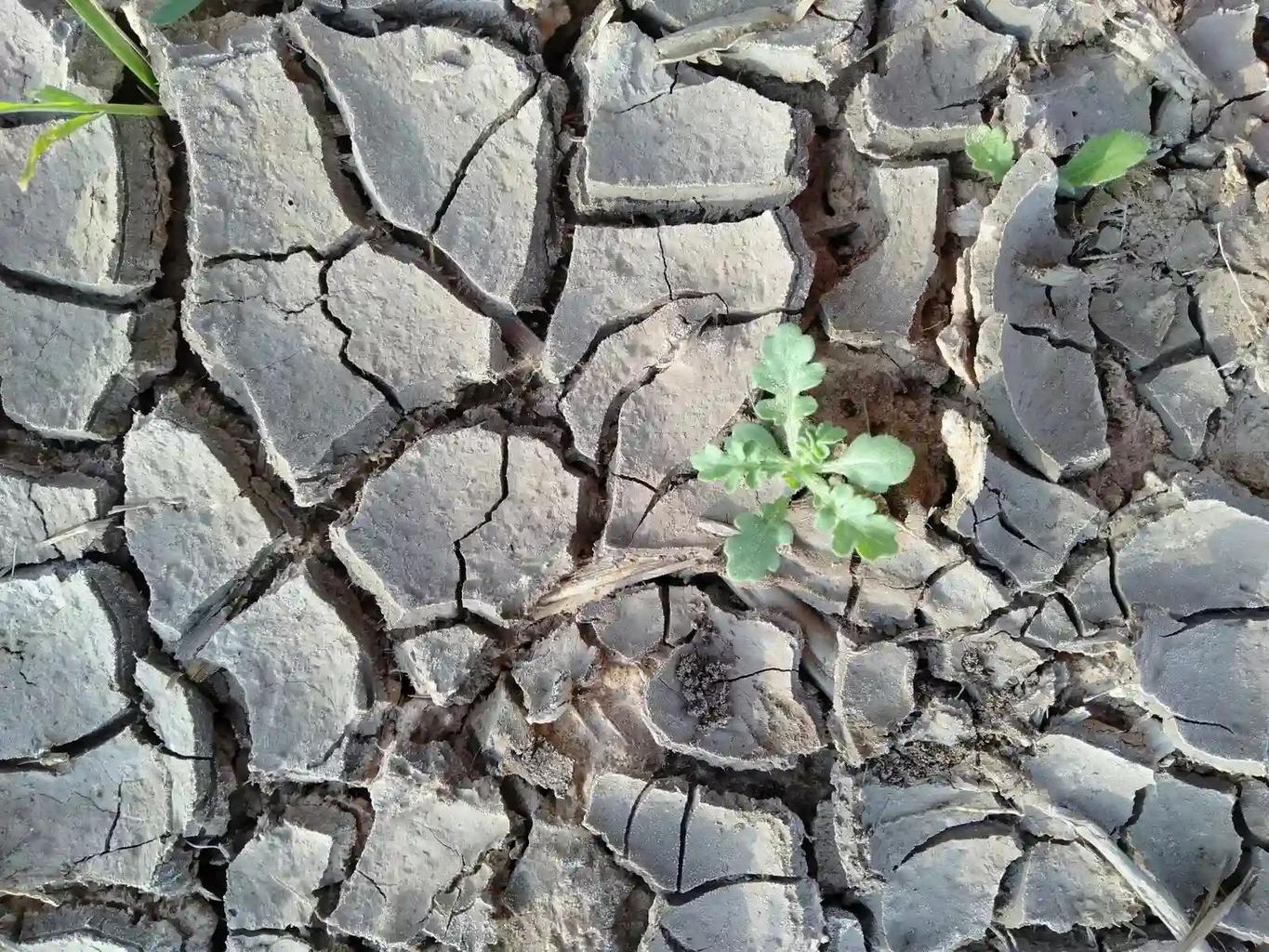
If your lawn stays soggy after rain, turns hard in summer, and keeps thinning out, clay soil is likely the main problem.
In Louisville, heavy clay and transition-zone heat put grass under stress fast. The fix usually comes down to core aeration, compost topdressing, fall overseeding, and deep, infrequent watering. If wet spots keep coming back, grading or a French drain may be needed instead of basic lawn care.
Here’s the short version:
- Standing water after rain often points to slow drainage in clay soil.
- Hard ground and a screwdriver that stops after 1–2 inches often point to compaction.
- Brown grass in summer often means roots are shallow and drying out near the surface.
- Thin turf and bare patches often show up first in low spots, slopes, and high-traffic areas.
- Best time for core aeration and overseeding in Louisville: late August through September.
- Best mowing height for cool-season lawns: about 2.5 to 4 inches.
- Water target: about 1 inch per week, including rainfall.
Quick Comparison
| Lawn Problem | What It Usually Means | What to Do |
|---|---|---|
| Puddles that sit after rain | Clay soil drains slowly | Aerate, add compost, check grading |
| Soil feels hard like brick | Compaction is blocking air and roots | Core aeration in fall |
| Grass browns fast in hot weather | Roots are shallow | Water deeper, mow higher |
| Bare patches in worn areas | Compaction plus traffic stress | Aerate and overseed |
| Wet spots keep returning | Surface shape or below-ground drainage issue | Grade yard or install French drain |
| Slope keeps washing out | Erosion problem, not just turf problem | Retaining wall, beds, or hardscape |
This article breaks down how to spot clay damage, test for it, and match each lawn problem to the right fix.
The Best Fix for a Clay Lawn You Can't Drain
sbb-itb-1c58166
How Clay Soil Damages Lawns and What It Looks Like
Clay damage tends to leave a clear pattern in Louisville yards. You can usually spot it with both your eyes and your feet: standing water, hard ground, and grass that keeps thinning in the same places.
Poor Drainage, Puddles, and Runoff After Rain
The clearest sign is standing water. If puddles hang around long after a moderate rain, clay soil is probably slowing drainage.
On flat areas, that often leads to soggy soil and roots that don't get enough oxygen. On slopes, the problem flips: water runs off before it can soak in, taking seeds and fertilizer with it before either has a chance to help.
If you notice yellowing in low spots, that's often a sign that roots have been sitting in water too long and aren't getting enough oxygen.
Compaction, Shallow Roots, and Summer Browning
Hard soil is the main sign of compacted clay. Here's a simple field test: push a screwdriver into the ground with moderate hand pressure. If it won't go in more than an inch or two, the soil is compacted.
Grass needs deep roots to get through dry spells. Compacted clay makes that hard, so roots stay shallow and weak. Then July heat hits, the top layer dries out fast, and the lawn turns brown sooner than you'd expect - even when you're watering it.
Thin Turf, Bare Patches, and Slow Recovery
In clay-heavy yards, bare patches usually start in high-traffic areas. Worn paths and turning spots tend to thin out first.
This kind of damage often shows up as hard soil, wet spots, and thin turf all in the same zones. That's a useful clue. Fungal diseases like take-all patch usually show up as distinct, large circles of bare dirt, while shade-related thinning happens whether it has rained or not. But when the ground feels hard as brick and the bare patches line up with wet areas, clay compaction is the most likely cause.
Those patterns help point to the right fix in the next section.
How to Confirm Clay Problems in Your Yard
If you keep seeing puddles, hard soil, thin turf, and slow recovery in the same parts of the yard, check the soil before you start treating the grass. A few simple soil and drainage checks can help you figure out if clay is behind the trouble.
Simple At-Home Soil and Drainage Checks
Start by looking closely at the turf. Thin areas, dull color, and changes in texture can point to root stress from heavy soil. Then do a couple of hands-on checks. Press a screwdriver into the ground and dig a small hole. That gives you a feel for how packed the soil is and how slowly water drains through it.
A rain gauge helps too. It can show whether you're dealing with poor drainage or just giving the lawn too much water.
If those checks point to clay, the next step is to map the worst spots.
How to Map Problem Spots Across Your Property
Walk the yard after a good rain and pay attention to where water pools, runs off, or sticks around. Mark each wet or compacted area on a simple yard sketch or even a photo on your phone.
Focus first on low spots, slopes, and high-traffic paths. Those areas often show clay-related stress before the rest of the yard. Check the same places every two weeks during the growing season so you can see whether conditions are getting better or staying the same.
That map helps you match each problem area to the right fix. It shows where aeration, compost, or drainage work is most likely to help.
Lawn Care Fixes That Improve Clay Soil Over Time
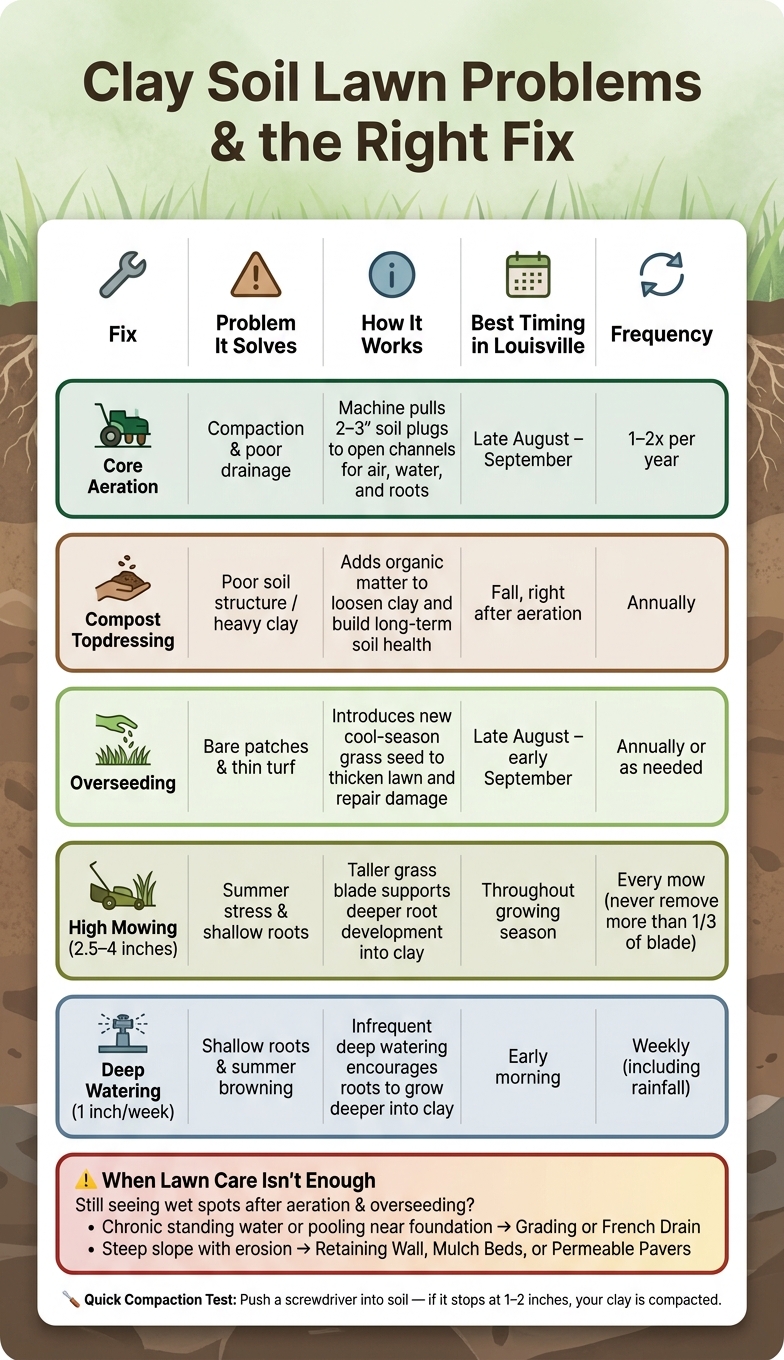
Clay Soil Lawn Problems vs. Fixes: Louisville Lawn Care Guide
Match each trouble spot to the fix that fits it. Hard, packed soil usually needs aeration. Thin turf needs overseeding. Grass that looks worn down often needs better mowing and watering.
In plain English: treat the symptom you see. Aerate compacted areas, overseed thin sections, and change mowing and watering where grass looks stressed.
Core Aeration and Compost Topdressing for Compaction and Drainage
Core aeration is the most direct way to deal with compacted clay. A machine pulls out soil plugs about 2 to 3 inches deep, which opens channels for air, water, and nutrients to move down to the roots. For Louisville lawns, the best timing is late August through September.
Right after aeration, add a light layer of compost. Compost helps break up heavy clay and supports deeper root growth over time.
Put compost on the spots where the soil feels hardest. Then overseed the areas where the lawn looks thin.
Overseeding with Cool-Season Grass to Repair Thin Turf
Fall is the best season to repair bare patches and thin turf. Cooler weather and higher moisture help seed germinate and let roots grow before winter sets in.
Use cool-season grass seed. In Louisville, late August through early September gives new seedlings enough time to get established before winter.
Mowing and Watering Changes That Cut Clay-Soil Stress
Two habits make clay-soil problems worse: mowing too short and watering too often with small amounts.
Keep mowing height between 2.5 and 4 inches to help grass grow deeper roots. Follow the one-third rule, which means you should never remove more than one-third of the grass blade in a single mowing.
Frequent, shallow watering keeps roots near the surface. That’s the worst place to be when clay dries out and turns hard. Instead, water about 1 inch per week, including rainfall. Water early in the morning to limit evaporation and reduce disease pressure.
This table shows which fix goes with each clay-soil problem.
| Fix | Problem Addressed | How It Works | Best Timing (Louisville) | Typical Frequency |
|---|---|---|---|---|
| Core Aeration | Compaction & drainage | Removes soil plugs to open channels for air, water, and roots | Late Aug – Sept | 1–2x/yr |
| Compost Topdressing | Poor soil structure | Adds organic matter to loosen clay and build soil health | Fall, after aeration | Annually |
| Overseeding | Bare patches & thin turf | Introduces new seed to thicken lawn and repair damage | Late Aug – early Sept | Annually/as needed |
| High Mowing (2.5–4") | Summer stress & shallow roots | Supports deeper root development | Growing season | Every mow |
| Deep Watering (1"/week) | Shallow roots & summer stress | Encourages roots to grow deeper into clay | Early morning | Weekly |
When Lawn Care Alone Will Not Fix the Problem
If the same wet or bare spots keep showing up after aeration and overseeding, you're no longer dealing with basic lawn care. At that point, the issue is usually below the surface or built into the shape of the yard.
Grading and French Drains for Chronic Wet Areas
The clearest sign is standing water that won't go away. If puddles return after aeration and overseeding, the problem is structural. Water pooling near your foundation is an even bigger red flag. Clay soil can hold water against the foundation and build pressure over time, which may lead to structural cracks that surface-level lawn care won't fix.
After a hard rain, take a look at your basement or crawl space too. Dampness or seepage is often one of the first signs that outside drainage is not moving water away from the foundation like it should.
This is where grading and French drains come in. Grading changes the surface so water flows away from your home instead of toward it. A French drain redirects subsurface water away from the yard and foundation.
When the runoff is coming from a slope instead of collecting in a low spot, the yard usually needs stabilization, not just drainage.
Retaining Walls, Beds, and Hardscape Changes for Problem Slopes
A steep slope calls for a different fix. In that case, the problem is less about pooling water and more about erosion.
Grass often struggles on steep clay slopes because the roots can't hold the soil in place very well, and rain pushes that soil downhill. In spots like that, forcing turf to work can turn into a losing battle.
Retaining walls help hold the slope in place and cut down on erosion. Once the soil is stable, the area can be planted in tiers or changed into a mulch bed with native plantings that need less upkeep in clay-heavy areas. If a flat section keeps failing no matter what you do, permeable pavers or a simple patio can turn that trouble spot into something useful.
Conclusion: Match the Symptom to the Right Fix
Clay soil problems can be fixed, but the fix depends on the actual cause. Compaction and thin turf are usually a lawn care issue, and JTs Lawn and Landscaping typically addresses thin patches through grading and reseeding rather than heavier fertilizer alone. Water that keeps returning to the same low spot points to a grading problem, which is where drainage and French drain work comes in. A slope that keeps washing out usually needs something structural holding it in place, which is where retaining wall work applies instead of more soil or seed.
FAQs
How do I know if my lawn problem is clay soil or disease?
Look for persistent drainage problems and weak turf. Common signs of clay soil include water pooling for days after rain, muddy patches, compacted soil, and shallow roots.
You may also notice bare patches or dead circles. In clay soil, those spots often tie back to poor drainage and too much moisture, which can trigger fungal damage.
How long does it take to improve a clay-heavy lawn?
Improving a clay-heavy lawn is a long-term process, not a quick fix. Clay soil is dense, drains slowly, and doesn’t change overnight. Better soil structure and a stronger organic layer come from steady work over several seasons.
Core aeration once or twice a year can help ease compaction. Pair that with proper mowing, deep watering, and regular soil conditioning, and you give roots a much better shot at growing deeper and staying healthier over time.
When should I call for drainage or grading help?
Call in a drainage or grading pro if your lawn keeps pooling with water after rain, your grass looks thin or stunted, or the soil feels hard and packed when you walk on it.
If basic upkeep isn’t solving the problem, the issue may be the soil structure or the yard’s slope. In plain English: water may not be moving the way it should. Professional grading can fix slope problems, cut down on runoff, and help protect your turf.
Related Blog Posts

How do I get started?

Request a quote — most companies do a free property assessment, walk you through recommended services, and can usually start within a week or two.
Do you take away the grass clippings?
Usually clippings are mulched back into the lawn, they return nutrients and are good for turf health. Bagging and removal is typically available on request or when growth is heavy.
Why does my lawn have brown patches?
Common causes include grubs or other pests, fungal disease, pet urine, drought stress, or mowing too short. Diagnosing the actual cause matters, because the treatments are completely different.
Are your products safe for kids and pets?
Most professional treatments are safe once dry, usually within a few hours of application. Your provider should tell you after each treatment how long to keep kids and pets off the lawn.
When should I fertilize my lawn?
It depends on your grass type and region, but most lawns benefit from feeding in early spring, late spring, and fall. A soil test or professional assessment tells you exactly what your lawn needs.

Book an Appointment
Reach out, we'll come look at your yard, and we'll tell you straight what it needs and what it costs. No pitch, no pressure.
We're a family business in Louisville, and most of our work comes from neighbors referring neighbors. That means you get the same crew every time and a price that won't change on you.
Grab a time that works. Let's take a look.
Request your free quote
We have received your estimate request and will be reaching out to you shortly.