.webp)
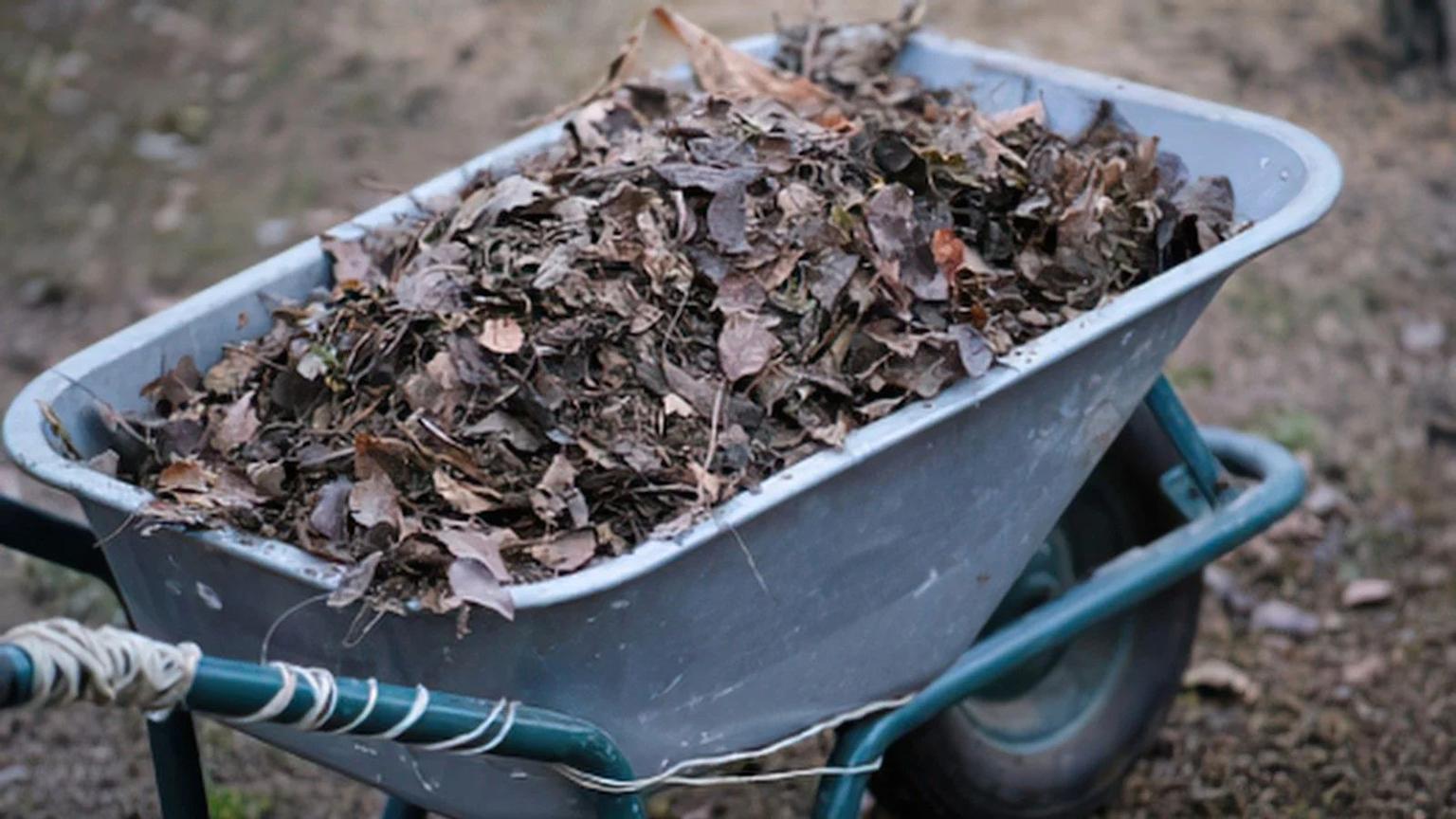
You can mulch leaves into your Louisville lawn, as long as the shredded pieces settle between grass blades instead of burying them. Start with dry leaves, firm ground, and your mower’s highest setting, which also keeps you from cutting grass too short. Make a slow pass, then check before making a second pass across the first.
- Keep grass visible. If leaves stay clumped or cover the turf after two passes, move the excess rather than keep mowing.
- Put extras in garden beds or compost. In beds, spread a thin layer away from trunks, stems, and crowns. Arrange leaf and debris removal if you have nowhere suitable.
- Wait out wet conditions. Leaf mulch won’t fix standing water or compacted soil, and Louisville’s clay soil drains slowly, so the ground can stay soft after rain.
Before mowing, clear debris, check your mower’s manual, and wear eye protection and sturdy shoes. The goal is small pieces spread evenly, not a blanket over your grass.

How to Mulch Leaves Into Your Louisville Lawn
How to Mulch Leaves With a Lawn Mower
Check the Leaves, Ground, and Mower
Start with dry leaves and firm ground, especially in Louisville’s clay soil. Read your mower’s manual and install any required plug, guard, or collection part. Use a sharp blade, and remove sticks, stones, toys, and wire before mowing.
Wear eye protection and sturdy, closed-toe shoes. Keep children, pets, and bystanders away. Before clearing a blockage, shut off the mower, wait for every moving part to stop, and disconnect power as directed in the manual.
Start at the Highest Setting and Repeat Passes
Follow the University of Kentucky Cooperative Extension approach: make repeated passes until the leaf pieces settle between the grass blades.
- Spread piles into an even layer. Break up concentrated piles so the mower can work through them.
- Set the deck to its highest setting. Turn the mower off before making adjustments, and follow the manual.
- Make a slow, steady pass. Give the blade time to shred the leaves rather than push them into rows.
- Stop and check the pieces. If they’re still large, make a second pass at a right angle to the first - but only while the leaves and ground remain dry and the mower isn’t clogging.
If a heavy layer remains after the second pass, move the extra leaves rather than mowing over them again.
Check That Shredded Leaves Are Spread Evenly
Walk the lawn after each pass. Check open turf, edges, and areas around trees. Rake apart small leftover rows before another pass. Move persistent piles instead of repeatedly mowing over them.
Look for small pieces settling into the grass, not forming a solid layer on top. Stop when the turf shows through. If the grass is still buried, stop mowing and move the extra leaves.
sbb-itb-1c58166
Using Lawnmower to Mulch Leaves - Quick Tip
How to Tell When There Are Too Many Leaves to Mulch
After a few passes, check whether the grass shows through and the shredded leaves are spread evenly. Use grass visibility and even spread - not leaf depth - to decide when to stop. If grass blades still show through an even layer of shredded leaves, you’re done.
Stop if Leaves Hide the Grass or Stay Clumped
If leaves still hide the grass or form rows, piles, or clumps after a few passes, stop mowing and move the excess. Wet or matted leaves are harder to shred and can leave a dense layer on the lawn. If wet leaves won’t break up evenly, move them rather than keep mowing.
Check areas under oaks and maples separately from the open lawn. Heavy leaf drops in those spots can overwhelm the mower, even when the rest of the yard looks fine.
Move Excess Leaves to Beds or Arrange Removal
If the lawn is still buried, move extra leaves off the turf and into suitable garden beds or other landscape areas. Keep walks, entrances, drains, and swales clear so you don’t shift the problem to another part of the property.
If you don’t have a suitable place for the excess, arrange leaf and debris removal.
Use Shredded Leaves in Garden Beds
When your lawn has more leaves than it can handle, move the shredded extras into perennial beds, around shrubs, and beneath trees. Used as mulch, they hold moisture, suppress weeds, and add organic matter as they break down.
Before spreading, remove trash, pet waste, treated debris, and diseased or infested plant material. Keep the mulch off trunks and crowns.
Spread Leaves Away From Trunks and Stems
Spread shredded leaves in a thin, even layer. Leave a visible gap around tree trunks, shrub stems, and perennial crowns. Keep the root flare exposed, too.
After rain, break up any wet mats. If a bed is already dense and wet, stop adding material.
Consider Louisville’s Clay Soil
Decomposing leaves add organic matter that slowly improves clay soil. They won’t fix standing water or compaction right away. Use a thinner layer in poorly drained spots, and avoid walking or digging in saturated beds.
For more ways to improve your soil, see Why Kentucky Clay Soil Wrecks Lawns - and How to Fix It.
Conclusion: Keep Grass Visible and Move Excess Leaves
Keep mulching only while grass blades still show. Check between passes, and stop once the shredded leaves settle into the turf with grass still visible. A second pass helps only while the leaves and ground stay dry and the mower isn’t clogging. Leaf drop comes in waves, so one session rarely covers the season. The fall lawn care checklist shows where leaf cleanup fits among the rest of the season’s jobs.
If leaves keep clumping or covering the grass, stop mulching and move the excess to garden beds, spreading a thin layer away from trunks, stems, and crowns. Check spots under oaks and maples separately from the open lawn, since heavy drops there can overwhelm the mower. Steady lawn mowing through fall keeps each pass light, which beats facing one deep layer at the end.
JTs Lawn and Landscaping offers lawn care services for Louisville-area properties, including leaf and debris removal when a pile is too heavy for a mower.
FAQs
Do I need a special mower for mulching leaves?
Not necessarily. A standard mulching mower can chop light to moderate leaf cover into small pieces that settle between grass blades and supply nutrients. If the leaves are too thick to mulch well, rake or bag the excess so they don’t form a mat over the grass.
Will mulching oak leaves make my soil acidic?
No, mulching oak leaves into your lawn won’t make your soil acidic. As the leaves break down, they add organic matter and nutrients to the soil, helping keep your lawn healthy. That organic matter is especially helpful for Louisville’s clay-heavy soil.
If you’re unsure about your soil’s pH or nutrient needs, a professional assessment or soil test can help you figure out what your lawn needs.
Can mulched leaves replace lawn fertilizer?
No. Mulching leaves doesn’t replace lawn fertilizer. It returns nutrients to the soil and improves turf health, but fertilizer provides balanced nutrition targeted to your lawn’s needs. Fall fertilizer supports root growth and helps grass recover from summer stress.
Use a soil test or professional assessment to find out which nutrients your lawn needs.
Related Blog Posts

How do I get started?

Request a quote — most companies do a free property assessment, walk you through recommended services, and can usually start within a week or two.
Do you take away the grass clippings?
Usually clippings are mulched back into the lawn, they return nutrients and are good for turf health. Bagging and removal is typically available on request or when growth is heavy.
Why does my lawn have brown patches?
Common causes include grubs or other pests, fungal disease, pet urine, drought stress, or mowing too short. Diagnosing the actual cause matters, because the treatments are completely different.
Are your products safe for kids and pets?
Most professional treatments are safe once dry, usually within a few hours of application. Your provider should tell you after each treatment how long to keep kids and pets off the lawn.
When should I fertilize my lawn?
It depends on your grass type and region, but most lawns benefit from feeding in early spring, late spring, and fall. A soil test or professional assessment tells you exactly what your lawn needs.

Book an Appointment
Reach out, we'll come look at your yard, and we'll tell you straight what it needs and what it costs. No pitch, no pressure.
We're a family business in Louisville, and most of our work comes from neighbors referring neighbors. That means you get the same crew every time and a price that won't change on you.
Grab a time that works. Let's take a look.
Request your free quote
We have received your estimate request and will be reaching out to you shortly.